Ming Dynasty
Introduction
The Ming Dynasty was a period of great cultural and political significance in Chinese history, spanning from 1368 to 1644. It was marked by a series of advancements in art, architecture, trade, and governance. The dynasty was established by Zhu Yuanzhang, who became known as the Hongwu Emperor, and it eventually became one of the most influential periods in Chinese history, known for its contributions to the arts, commerce, and the solidification of Chinese culture.
Art and Culture
Porcelain and Decorative Arts
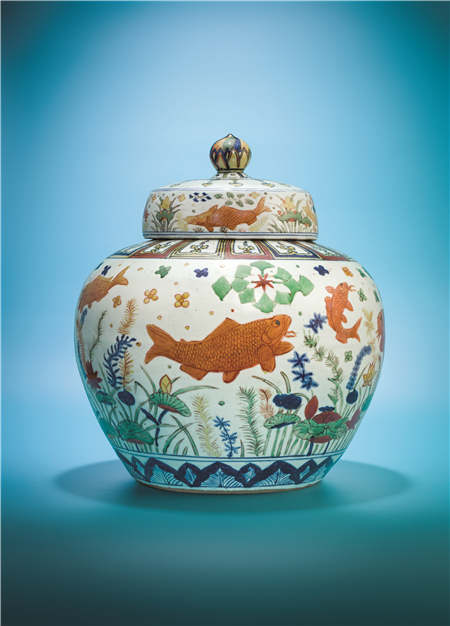
The Ming Dynasty is particularly renowned for its exquisite porcelain, such as the blue-and-white ceramics that achieved global acclaim. A notable example is a 16th-century polychrome jar, which exemplifies the maturity of the wucai (five enamels) ware during the reign of Ming Emperor Jiajing. This jar showcased intricate designs, including animated fish and colorful algae, and was highly valued in auctions, reflecting the craftsmanship of the era.
The era also saw the production of intricately decorated items such as a Ming Dynasty plate with a flower-shaped brim. This plate, decorated with patterns of flowers, birds, rocks, and bamboo, showcases the intricate designs and artistry that were hallmarks of the period's craftsmanship. Similarly, the gauze from Nanjing yunjin brocade represents the meticulous weaving techniques and the use of vibrant motifs like rabbits, chrysanthemums, and peonies.
Painting and Calligraphy
The Ming Dynasty also fostered the development of painting schools, notably the Wumen School, which emerged from Suzhou. Artists like Shen Zhou, Tang Yin, Wen Zhengming, and Qiu Ying were leading figures, known for their classic ink-brush works that greatly influenced Chinese art history. Their paintings often depicted landscapes and reflected the aesthetic considerations of that time.
A Ming Dynasty painting by Zhang Lu, depicting an eagle hunting a hare, exemplifies the artistic skill of the era, with its detailed portrayal of animals against a snowy backdrop. This piece is part of the Nanjing Museum collection and showcases the artistic talents prevalent during the Ming period.
Architecture and Engineering
The Ming Dynasty (1368-1644) is renowned for its architectural and engineering accomplishments, notably the construction and expansion of the Great Wall. Initially built to defend against Mongol invasions, the Ming Great Wall is the largest, strongest, and most magnificent in history, spanning from Hushan in Liaoning province to Jiayuguan in Gansu province. This era marked significant advancements in construction materials, techniques, and defensive fortifications. The remains of the Ming Great Wall are the most well-preserved, showcasing exceptional engineering expertise from this period.
Another architectural marvel of the Ming Dynasty is the Forbidden City in Beijing, serving as the imperial palace for 24 emperors. Constructed from 1406 to 1420 under the reign of the Yongle Emperor, it exemplifies the grandeur and sophistication of Ming architecture with its vast complex of traditional wooden palaces and halls.
The Ming Dynasty is also recognized for its urban planning and construction of cities like Nanjing and Beijing, which functioned as the capital cities during different periods. These cities featured meticulously designed palaces, gardens, temples, and administrative buildings, reflecting the dynasty's architectural prowess and cultural zenith.
Fashion and Costumes
Fashion during the Ming Dynasty was characterized by elaborate costumes that reflected social status and cultural identity. The book "Reflections on the Ming Dynasty Costumes" explores the customs, rites, and disciplines associated with Ming attire, analyzing 328 costumes from the era. These garments were not only beautiful in appearance but also represented the sophisticated techniques and cultural values of their time.
One significant artifact is the nine-string mian (crown) worn by Ming princes, which was a crucial part of the dynasty's clothing system. Made from cane with black paint and gold decor, the crown embodied the ritualistic aspects of Ming fashion and was unearthed from the tomb of Zhu Tan, Prince of Lu, offering valuable insights into the clothing of the period.








